2026 Best Exhibition Design Booth Ideas Trends and Innovations
The world of Exhibition Design Booth is evolving rapidly. As we approach 2026, new trends and innovations are reshaping how brands engage with their audience. Modern booths prioritize interactivity and memorable experiences. Designers are experimenting with materials, colors, and technology. This offers visitors a more immersive journey.
One notable trend is sustainability. Eco-friendly materials are gaining popularity. Brands are encouraged to reflect their values through their booth designs. This approach not only enhances visual appeal but also aligns with consumer expectations. Additionally, incorporating digital elements creates a dynamic atmosphere. Augmented reality and interactive displays attract attention.
However, challenges remain. Not all brands can keep up with the latest innovations. Some may struggle with technical implementations. Reflection on how to balance creativity and practicality is essential. Successful Exhibition Design Booths must connect with their audience meaningfully, but this is not always easy to achieve.

Innovative Materials for Exhibition Booth Design in 2026
In 2026, the landscape of exhibition booth design is transformed by innovative materials. Designers are increasingly turning to sustainable options. Recycled plastics and biodegradable composites are gaining popularity. These materials not only reduce waste but also enhance the aesthetic appeal of booths. Imagine a vibrant display made from repurposed materials that tells a story.
Texture plays a vital role in this evolution. Designers use fabrics that mimic natural elements, creating a cozy atmosphere. Bamboo and cork are also explored for their durability and minimal environmental impact. The tactile experience engages visitors and invites interaction. However, not all materials are easy to work with. Some require careful planning to ensure stability and longevity.
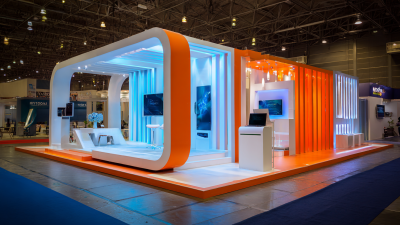
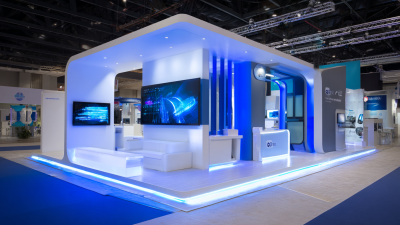
Colorful lighting complements these designs, enhancing the materials' textures. Interactive features, such as digital screens, are incorporated into the booths. This fusion creates a dynamic environment. Yet, coordinating these elements can be challenging. Balancing aesthetics with functionality sometimes leads to unexpected outcomes. Designers are learning that experimentation often leads to innovation, though imperfections are part of the creative process.
Sustainable Practices in Modern Exhibition Design Trends
Sustainable practices are redefining exhibition design. Modern booths are becoming greener and more innovative. Designers focus on materials that minimize waste. Recyclable or upcycled materials are popular choices. This not only helps the planet but also attracts eco-conscious visitors.
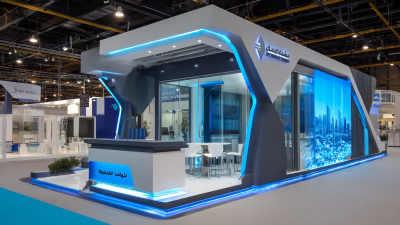
Integrating technology enhances sustainability. Digital displays reduce the need for printed materials. Interactive apps can share information instantly. However, some events neglect to balance tech with natural elements. A booth overwhelmed by screens can feel cold and unwelcoming. Consider incorporating live plants for a warmer touch.
Tips for a sustainable exhibition booth: Use LED lighting to save energy. Choose lightweight structures that are easy to transport. Engage visitors with workshops on sustainability. They can learn about eco-friendly practices, fostering a positive brand image. Remember, sustainability isn’t just a trend; it’s a lasting commitment.
Technology Integration: Enhancing Engagement in Booth Experiences
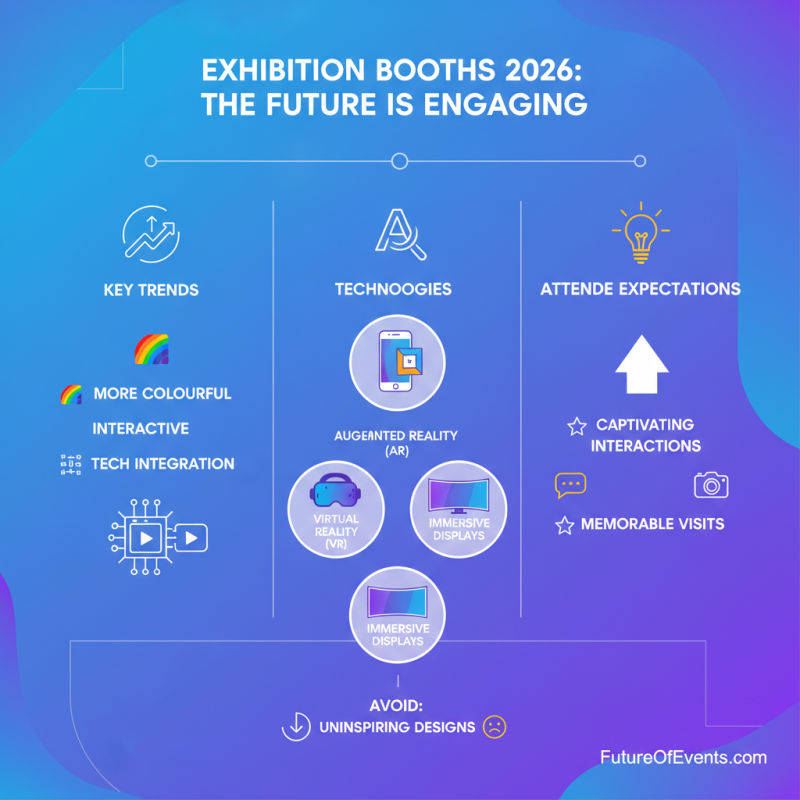
In 2026, exhibition design booths are becoming more vibrant and interactive. Technology integration plays a critical role in enhancing engagement. Virtual reality, augmented reality, and immersive displays captivate audiences like never before. Attendees expect engaging interactions. Yet, some designs fall short of expectations.
For instance, touchscreens can be an engaging feature. However, poorly placed screens may lead to traffic jams in the booth. And if the technology malfunctions, it can break the flow. The experiential aspect must not only be flashy but also functional. Incorporating live demos can provide real-time engagement. This allows attendees to see products in action.
Incorporating gamification also adds excitement. Participants enjoy competing for prizes or points. Yet, without clear instructions, confusion can arise. A balance between fun and clarity is vital. Reflection on these elements ensures booths remain welcoming and successful. Each interaction should foster genuine connections, ensuring a memorable experience for all.
Creative Layouts and Spatial Planning for Maximum Impact
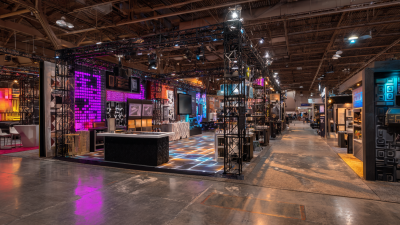
In today's competitive exhibition landscape, creative layouts are essential for standing out. A well-thought-out booth design considers flow and space utilization. Avoiding clutter helps visitors navigate easily. Open layouts invite engagement, while defined sections can encourage conversation. Use of color and lighting can create a mood that reflects your brand's personality.
Spatial planning involves knowing your audience. Think about how people will move through your space. Are there spots for products, discussions, or demonstrations? Mapping this out can make a significant difference. High ceilings can give an airy feel, while lower sections can create intimacy. A balance is key.
Innovation doesn’t always mean cutting-edge technology. Sometimes, it's about the human touch. Incorporating comfortable seating can encourage longer visits. However, don't overcrowd with furniture. Reflect on how personal touches, like local art, can enhance the experience. Every detail should serve a purpose. When designing, consider mistakes as part of the learning process. Keep evolving to ensure maximum impact at your next exhibition.
2026 Best Exhibition Design Booth Ideas Trends and Innovations
| Booth Design Type |
Key Features |
Spatial Planning Approach |
Innovative Elements |
Maximized Impact |
| Modular Booth |
Flexible design, adaptable components |
Open layout for easy traffic flow |
Interactive screens and digital displays |
Encourages engagement and participation |
| Thematic Booth |
Cohesive theme, immersive atmosphere |
Zoning for thematic areas |
Live demonstrations and performances |
Creating memorable experiences |
| Sustainable Booth |
Eco-friendly materials, energy-efficient |
Optimized use of space with green elements |
Natural lighting and biophilic design |
Attracts eco-conscious visitors |
| Tech-Integrated Booth |
Augmented reality, VR experiences |
Flow tailored for tech interaction |
Smart gadgets and interactive kiosks |
High visitor retention and excitement |
| Luxury Booth |
Elegant design, high-end materials |
Exclusive zones for private discussions |
Art installations and premium offerings |
Creates a premium brand image |
Emerging Aesthetic Trends Influencing Exhibition Booth Designs
The exhibition industry is evolving rapidly. Emerging aesthetic trends are reshaping booth designs. Reports indicate that 78% of attendees remember booths with creative designs. Current trends emphasize minimalism and sustainability. Clean lines and open spaces attract attention.
Color psychology plays a crucial role. Studies show that colors can increase brand recognition by 80%. Brands are opting for bold, vibrant hues to create memorable experiences. Incorporating natural elements, such as plants and wood, enhances visitor engagement. This reflects a growing desire for eco-friendly designs.
Technology integration also influences aesthetics. Augmented reality features create immersive experiences. However, not all booths are tech-savvy. Some designs may overwhelm visitors. Balancing tech with simplicity is essential. Aesthetic trends should enhance, not distract. The focus should remain on meaningful visitor interactions.
2026 Exhibition Booth Design Trends

 Contact Us