How to Choose the Best Exhibition Display Stands for Your Event?
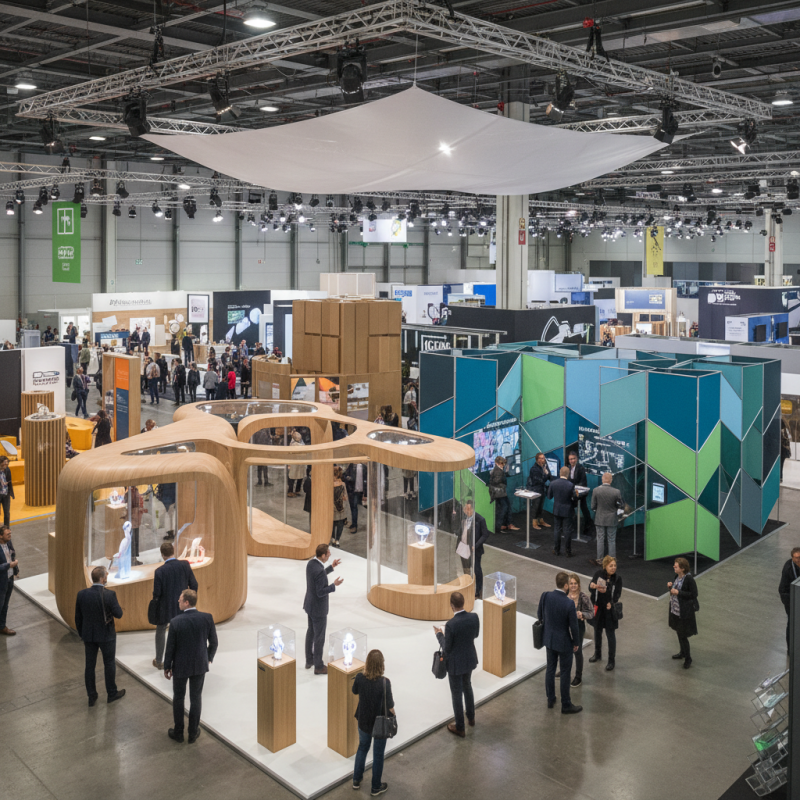
Choosing the right Exhibition Display Stands can significantly impact your event's success. A well-designed display attracts attention and creates a lasting impression. Attendees often remember visually appealing stands.
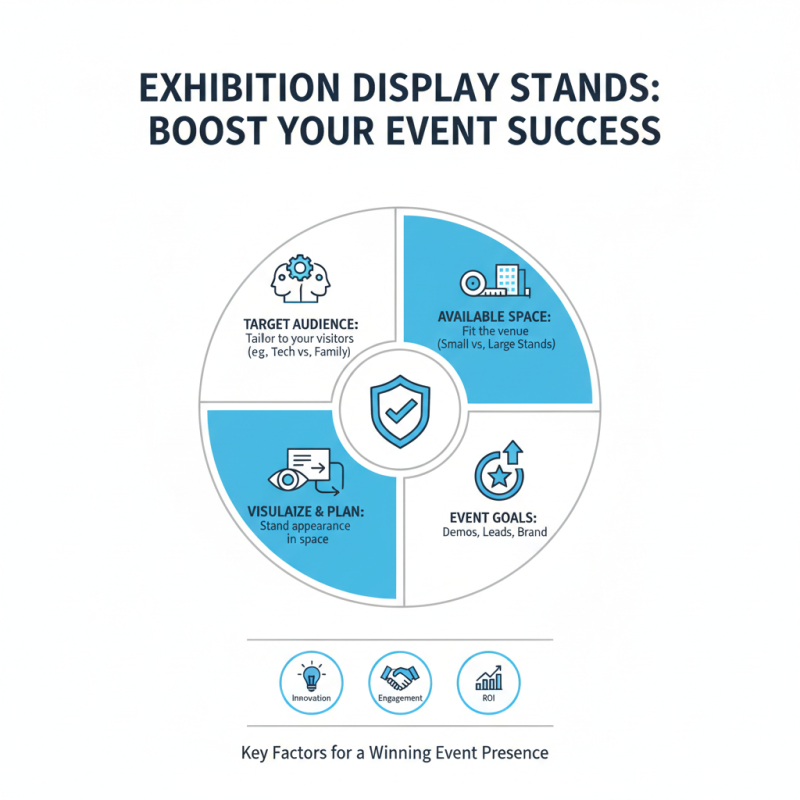
When selecting the best stands for your event, consider factors such as size, design, and functionality. Display stands should fit the event's theme and purpose. It’s vital to balance creativity with practicality. Sometimes, overly complicated designs fail to deliver your message effectively.
Reflecting on your goals can help clarify your needs. Do you want to showcase products or engage visitors? A clear vision aids in selecting the right size and style. Remember, even top-notch designs may not resonate with all audiences. Keep testing different ideas until you find what works best.
Types of Exhibition Display Stands and Their Features
Choosing the right exhibition display stands is crucial for attracting attention at your event. Various types are available, each with unique features. Retractable banners are popular due to their portability and ease of setup. They typically stand between 5 to 8 feet tall and can convey clear, impactful messages. Studies show that 70% of attendees recall seeing retractable stands at exhibitions.
Another effective option is pop-up displays. These create an immersive experience, often utilizing large graphics that are eye-catching. They provide a seamless backdrop for presentations or product showcases. Research indicates that visually engaging displays can increase booth traffic by nearly 40%.
Tip: Assess your target audience before deciding on a display type. Understanding their preferences can guide your design choices.
Consider table stands as well. They are versatile and can hold brochures or promotional materials. They work well in smaller spaces and are budget-friendly. However, they may lack the visual impact of larger displays.
Tip: Always prioritize visibility. If your stand blends into the background, you might miss opportunities to connect with visitors. Aim for clear branding, even in small displays, to maintain presence.
Types of Exhibition Display Stands and Their Features
Budgeting for Your Exhibition Display Stand Selection
When budgeting for your exhibition display stand selection, clarity is essential. Start by determining your overall budget for the event. Allocate funds to various elements like design, construction, and transportation. Consider how features, such as lighting and interactive elements, will impact your costs.
Tips: Prioritize what matters most. If a striking design is crucial, allocate more budget there. For a tight budget, explore simplified designs that still capture attention. Ensure you include a buffer for unexpected expenses; it’s common for costs to rise.
Reflect on your objectives. Are you aiming for brand awareness or generating leads? Your choice of stand should align with these goals. A simple stand may work for small events, while larger displays might be needed for trade shows.
Tips: Don’t forget to factor in the time for setup and takedown. Sometimes, the cheapest option can be time-consuming. Be ready to invest in reliable services that ease stress during the event. Consider rental options, too—it can save money and effort.
Space and Layout Considerations for Effective Display Setup
When planning your event, space and layout are key factors for display success. Consider the size of the venue. A small space can feel cramped. You need to create an inviting atmosphere. Think about flow. People should move easily. Avoid blocking key areas with your display.
Use different display stands creatively. Tall stands can draw attention. Lower ones encourage interaction. Arrange your stands to foster conversation. Mixed heights create visual interest. However, keep a balance. Too many displays can overwhelm guests.
Evaluate your choices after setup. Is the space functional? Are visitors engaged? Rearranging might help the flow. Sometimes, less is more. Reflect on what works and what doesn’t. Adjustments can improve the overall experience.
How to Choose the Best Exhibition Display Stands for Your Event?
| Display Stand Type |
Size Options (Width x Height in cm) |
Material |
Setup Time (minutes) |
Ideal For |
| Pop-Up Display |
300 x 200 |
Fabric |
15 |
Trade Shows |
| Tabletop Display |
150 x 90 |
Plastic |
5 |
Small Events |
| Banner Stand |
80 x 200 |
Vinyl |
3 |
Promotions |
| Modular Display |
Variable |
Metal & Fabric |
30 |
Large Exhibits |
| Backlit Display |
240 x 200 |
Fabric & LED |
25 |
Night Events |
Design Elements That Enhance Your Display Stand's Appeal
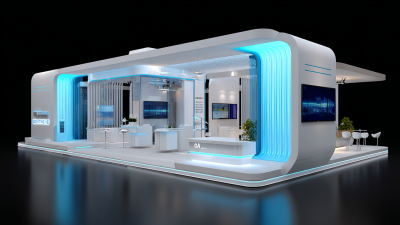
Creating an appealing exhibition display stand requires attention to key design elements. Studies show that 70% of attendees form their first impressions based on design alone. Color schemes play a vital role. Bright colors can draw in crowds, while muted tones may convey sophistication. Choosing the right palette can attract the target audience effectively.
Lighting is another crucial element. Good lighting enhances product visibility and draws attention to key features. According to a survey, 80% of exhibition professionals emphasize proper lighting as a major factor in booth success. It can create mood and ambiance. However, lighting can also overwhelm if not used thoughtfully.
Display layout matters greatly. An open and inviting structure encourages foot traffic. Yet, overcrowded designs can deter potential clients. It’s essential to balance aesthetics with functionality. Clear pathways can guide visitors and improve interaction. Remember, simplicity often resonates better than complexity. Small adjustments can make a significant difference in engagement levels.

 Contact Us