How to Choose the Best Trade Show Exhibition Stands for You?
Trade shows are a vital platform for brands to showcase their products and attract potential clients. Choosing the right Trade Show Exhibition Stands can make a significant impact on your success. According to industry expert Mark Stevens, "Your exhibition stand is your brand's first impression; make it count." This highlights the importance of careful consideration in selecting exhibition stands.
Making decisions about Trade Show Exhibition Stands involves understanding your brand's identity and audience. Will your stand encourage engagement? Is it visually appealing? Addressing these questions is crucial. A well-designed stand, tailored to your brand's message, can enhance your visibility and connection with attendees.
However, not every stand will suit your unique needs. Mistakes are common, and reflection is necessary. Brands sometimes overlook the importance of space utilization and layout. Being aware of potential missteps allows for better choices. A proactive approach to these details can lead to a more impactful exhibition experience.
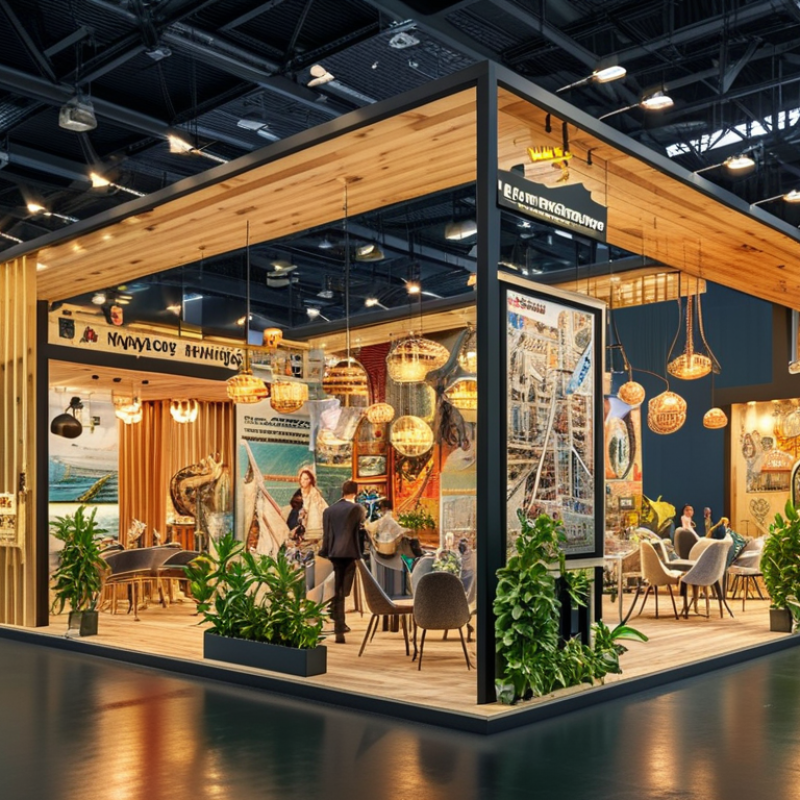
Understanding Your Goals for Trade Show Participation
Understanding your goals for trade show participation is essential for success. Defining what you want to achieve will guide many of your decisions. Are you aiming for brand awareness? Perhaps you're focused on generating leads. Knowing your primary objective helps in choosing the right exhibition stand.
Your target audience also plays a crucial role. Consider who you want to attract. This clarity influences your stand design and layout. A welcoming and engaging atmosphere encourages interaction. Thoughtful placement of elements, like product displays, can drive traffic. Think about color schemes, messaging, and overall aesthetics that resonate with your goals.
You may encounter challenges while aligning your stand with your objectives. It's common to face budget constraints or limited space. Reflect on these limitations and adapt your strategy accordingly. Remember, flexibility can lead to unexpected solutions. Evaluate your progress during the event. Gathering feedback from attendees can highlight areas for improvement. Embrace this as part of a learning process.
Assessing Your Target Audience and Their Expectations
When choosing a trade show exhibition stand, understanding your target audience is crucial. Who will be visiting your booth? Are they industry professionals or casual attendees? Knowing their needs will help you design an engaging space.
Identify your audience's expectations. Are they looking for innovative products or valuable information? Tailoring your exhibit to meet these demands will increase engagement. A welcoming atmosphere can draw in more visitors. Consider interactive displays or informational brochures that resonate with their interests.
Tips:
- Research past events to see what worked and what didn’t.
- Utilize surveys or feedback forms to gather insights.
- Observe competitors’ stands to identify gaps and opportunities.
Creating an effective stand is an iterative process. Reflect on your previous experiences. What can you improve? Small adjustments can lead to significant changes. Ensure your stand not only captures attention but also communicates effectively.
Evaluating Available Space and Layout Options for Your Stand
When selecting the best trade show exhibition stands, evaluating your available space and layout options is crucial. The area and configuration will determine how effectively you can showcase your products. Consider the dimensions of your stand and how they align with your display goals. A larger space may offer opportunities for multiple displays, while a smaller area might push you to prioritize essential elements.
Tips: Measure your available area accurately. Utilize grid paper to sketch layout ideas. This helps visualize space usage.
Explore various layout options that suit your brand's message. Open layouts encourage traffic flow, while enclosed designs may offer a more exclusive feel. It's essential to reflect on how each layout might engage visitors. Consider how foot traffic patterns will interact with your stand.
Tips: Think about the visitor’s journey through your space. Create focal points that attract attention. Ensure movement feels natural.
Be aware that your chosen layout can influence engagement. Too much clutter may overwhelm visitors, while too little can render your stand forgettable. Think critically about what your design says. A well-planned layout can enhance your presence and facilitate meaningful interactions. Experiment with different configurations to find what resonates best.
Choosing the Right Materials and Design for Impact
When selecting exhibition stands, materials and design play a crucial role. Lightweight materials are often favored for easy transport. Consider how your choice affects the stand's stability and appearance. A flimsily constructed stand might save costs initially, but it can harm your brand perception.
Color choices can evoke emotions. Bold colors attract attention, while muted tones offer sophistication. Balance is key; an overly busy design may distract potential clients. Incorporating textures can create depth. Fabric banners or wooden elements might enhance your visual appeal, but they require consistent maintenance.
Reflect on your brand's message. Does your stand convey it effectively? A simple layout can sometimes tell a story better than intricate design elements. Strive for clarity. An unclear message is a missed opportunity. Revisiting your design and materials can lead to impactful adjustments. Avoid settling for mediocrity; it pays to invest time in thoughtful design decisions.
Budgeting for Your Trade Show Exhibition Stand Requirements
Budgeting for your trade show exhibition stand is crucial for success. A well-planned budget helps you maximize your investment. Start by defining what features you need. Think about size, graphics, and technology. These factors will influence costs significantly.
Tips for budgeting include researching costs of materials. Compare quotes from different vendors. Always add a buffer for unexpected expenses. This could be things like shipping or last-minute adjustments. Aim to stick to your budget but allow some flexibility.
Consider the overall impact of your stand. A high-quality, memorable display can lead to better engagement. Sometimes, spending more upfront saves money later. Reflect on your past trade show experiences. What worked? What didn’t? Learning from those insights may guide your budgeting process effectively.
How to Choose the Best Trade Show Exhibition Stands for You? - Budgeting for Your Trade Show Exhibition Stand Requirements
| Exhibition Stand Type |
Estimated Cost ($) |
Space Requirement (sq ft) |
Setup Time (hours) |
Customizability |
| Inline Stand |
$5,000 |
10 |
4 |
Limited |
| Corner Stand |
$7,500 |
15 |
6 |
Moderate |
| Island Stand |
$12,000 |
30 |
8 |
High |
| Pop-Up Stand |
$3,000 |
8 |
2 |
Low |
| Modular Stand |
$9,000 |
20 |
5 |
High |

 Contact Us