How to Choose the Right Brochure Holder for Your Business Needs?
Choosing the right brochure holder is crucial for effective marketing. A well-designed brochure holder can enhance your business presentation. It helps display your materials clearly and attractively.
Consider the type of brochures you have. Are they tri-folds or bi-folds? Different designs require different holders. Ensure the holder complements your branding. The material of the brochure holder also matters. Options range from plastic to wood, each with its unique appeal.
Evaluate where the holder will be placed. Will it be on a counter or a wall? Size and visibility are key factors. A smaller holder may not catch attention in a busy area. Pay attention to the holder's stability, too. A flimsy holder can tarnish your brand's image. Reflect on how you want your business to be perceived. A strong brochure holder adds professionalism to your marketing efforts.
Understanding Different Types of Brochure Holders Available in the Market
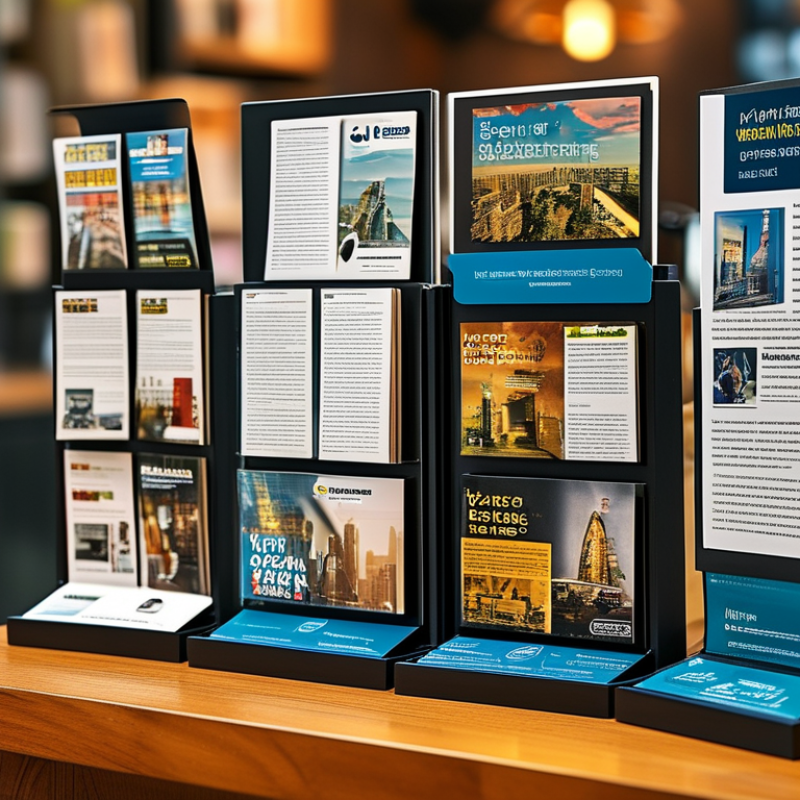
When choosing a brochure holder, it’s vital to understand the various types available. Different holders serve distinct purposes. Wall-mounted holders save floor space. They display brochures prominently. These are great for businesses with high foot traffic. Next, there are counter-top holders. They are ideal for reception areas. A well-placed counter holder invites customers to take brochures easily.
Some holders offer unique designs. Tri-fold holders provide a compact solution. They fit in small spaces. Literature racks, on the other hand, can hold multiple brochures. They are perfect for areas that showcase several options at once. In contrast, portable holders are flexible for events and trade shows. They can be set up quickly and moved easily.
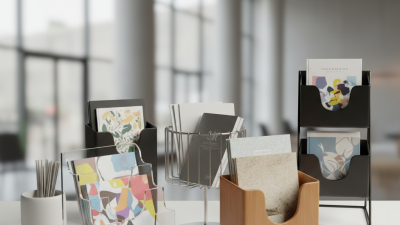
Consider the material too. Acrylic is lightweight and durable. However, it can scratch easily. Wooden holders offer elegance but might be heavy. Evaluate your brand's aesthetics when selecting. Reflect on how often the holder will be used. Frequent handling may require sturdier designs. Think about where you will place the holders. Visibility affects engagement. Thus, the right choice significantly impacts your marketing efforts.
How to Choose the Right Brochure Holder for Your Business Needs?
| Type of Brochure Holder |
Material |
Capacity |
Best Use Case |
Price Range |
| Floor Display Brochure Holder |
Acrylic |
15-20 Brochures |
Trade Shows, Lobbies |
$50 - $150 |
| Tabletop Brochure Holder |
Plastic |
5-10 Brochures |
Reception Areas, Events |
$20 - $60 |
| Wall-mounted Brochure Holder |
Metal |
10-15 Brochures |
Hallways, Offices |
$30 - $100 |
| Multi-tier Brochure Holder |
Acrylic or Wood |
20+ Brochures |
Busy Locations, Exhibitions |
$70 - $200 |
| Pocket Brochure Holder |
Cardboard |
1-5 Brochures |
Promotional Events, Travel |
$5 - $25 |
Evaluating the Materials Used in Brochure Holders for Durability
When choosing a brochure holder, durability is key. Different materials offer varying levels of resilience.
Acrylic is popular for its clarity and lightweight nature. It's also resistant to impact but can scratch easily.
Consider how often you plan to use the holder. If it’s for high-traffic areas, you might want something sturdier.
Wooden brochure holders provide a classic look. They are often more durable but can be heavier.
They also may require more maintenance.
Metal options, like aluminum or steel, are extremely sturdy. However, they can be prone to fingerprints and scratches. Assess your business environment to match the material to your needs.
Tips for selecting materials: Choose acrylic for versatility and easy cleaning.
Opt for wood if a sophisticated touch is desired. If durability is your priority, consider metal.
Reflect on how your choice communicates your brand's values. It’s better to invest in quality materials that last than to replace them frequently.
A thoughtful decision can save money in the long run.
Considering the Size and Capacity Requirements for Your Brochure Holder
Choosing the right brochure holder involves understanding your size and capacity needs. The size directly influences how many brochures you can display. According to industry reports, nearly 70% of businesses find that an organized display increases customer engagement. This makes the right choice vital.
Consider the types of brochures you will showcase. Standard sizes vary, but most common brochures are tri-folded and around 4" x 9". Choosing a holder that fits this dimension can optimize space. A holder that is too large can clutter the area, leading to confusion. Alternatively, a small holder may leave brochures crammed, making them hard to access. Striking a balance is essential.
Tips: Select a holder that not only matches your brochure size but also complements your brand's aesthetic. Transparency is key; customers appreciate seeing what they are picking up. When in doubt, assess how often you will need to restock. A higher capacity may save time, but ensure it won’t overcrowd the space.
Choosing the Right Style and Design to Match Your Business Branding
When choosing a brochure holder, it’s crucial to align it with your
business branding. The design and style of the holder can
reflect your brand's identity. For instance, vibrant colors can convey energy, while subdued tones might suggest elegance.
A well-thought-out design can attract customers' attention and enhance your message.
Consider the material of your brochure holder. Different materials can project different brand images. Acrylic
provides a modern feel, while wood may evoke warmth and tradition. The shape matters too.
A sleek, minimal design might suit a tech business, while a more ornate holder could benefit a creative agency.
It's also essential to reflect on functionality. Does the holder
support your brochures securely? An unstable holder can lead to a messy display. Regularly check its condition. A chipped
or damaged holder can detract from your professional image. Take time to evaluate your choice to ensure it meets both aesthetic
and practical needs.
Budgeting for Brochure Holders: Finding a Balance Between Quality and Cost
When choosing brochure holders, balancing quality and cost can be tricky. It’s important to understand that cheaper options often sacrifice durability. You don't want a holder that deteriorates quickly. A quality brochure holder can enhance your brand's image.
Consider your business environment. If you’re in a high-traffic area, invest in sturdier materials. Acrylic or metal options might be best here. For short-term use or events, lightweight plastic holders can suffice. Assess the cost against your project timeline.
Tips: Look for reviews on materials. Are they user-friendly? Do they withstand regular handling? Check if there’s a warranty. This adds value, reflecting the manufacturer’s confidence in their product. Remember, the initial investment might save money down the line. Choose wisely.

 Contact Us