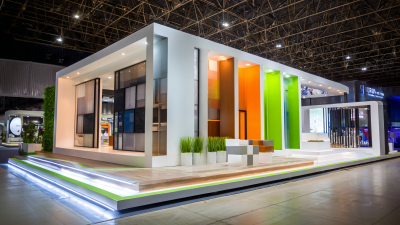
2026 How to Create an Eye Catching Exhibition Display?
Creating an eye-catching exhibition display is a challenge for many. It is an art that combines creativity and strategy. Designers often struggle to capture attention in a crowded space. The goal is to stand out and resonate with visitors.
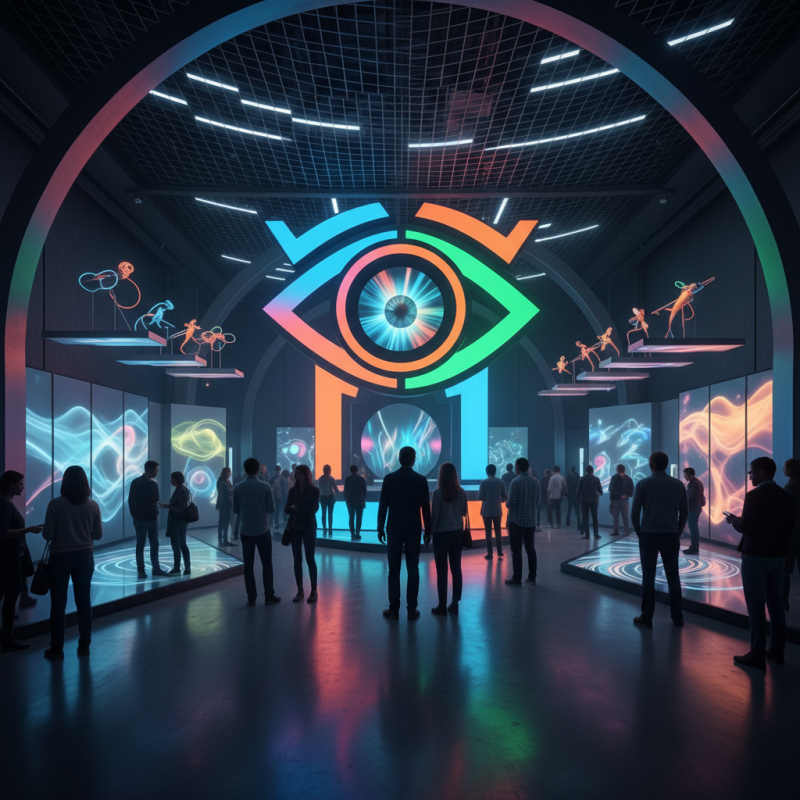
A successful exhibition display starts with a clear theme. It must convey the message effectively. Consider bold colors and striking visuals to attract the eye. Interactive elements can enhance the experience and engage attendees. However, not every idea will work. Sometimes, the simplest designs leave a lasting impact.
Reflecting on past displays can provide valuable insights. What worked? What fell flat? Constantly reassessing our approach leads to improvement. In the end, an exhibition display should not just be beautiful but also memorable and meaningful. Keep learning and adapting to create standout displays.
Understanding the Importance of Exhibition Displays in 2026
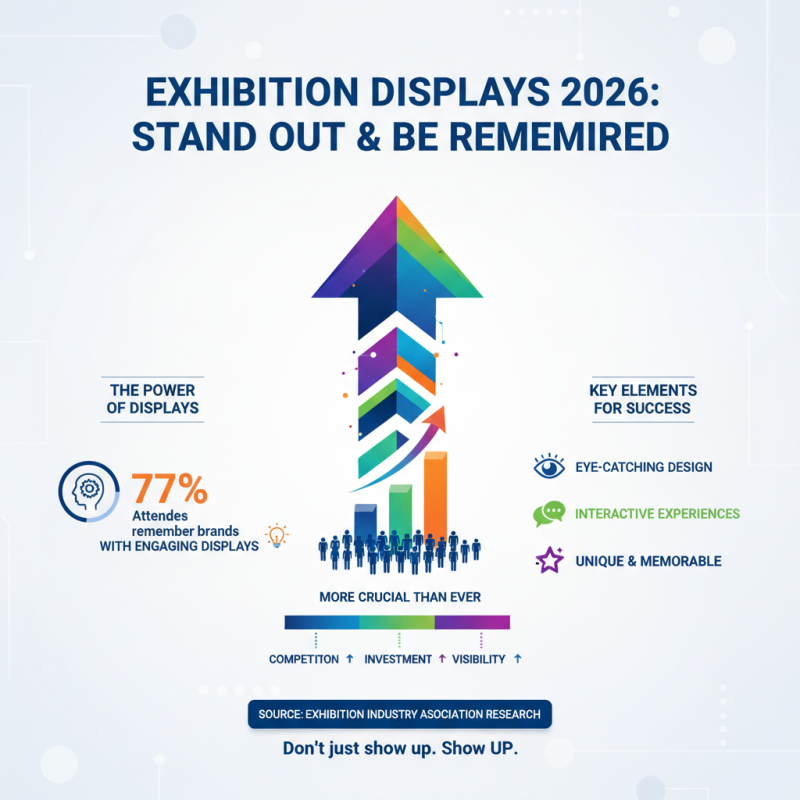
In 2026, exhibition displays are more crucial than ever. Research from the Exhibition Industry Association shows that 77% of attendees are more likely to remember brands with engaging displays. With competition at all-time highs, businesses must invest in eye-catching designs. A vibrant, interactive display can draw people in and spark conversations. Yet, many still overlook unique elements that stand out.
The digital transformation has shaped visitor expectations. According to a survey by Statista, 62% of exhibitors plan to use augmented reality in their displays this year. However, there are challenges. Implementing technology can be costly and may not suit every business model. It’s essential to find the right balance between innovation and budget constraints. Engaging displays need to resonate with the target audience but remain authentic.
Incorporating sensory elements into displays can create memorable experiences. Bright colors, textures, and sounds evoke emotions. Yet, these choices must reflect the brand’s identity. A mismatch can confuse potential customers. Companies should regularly assess their exhibition strategies. Reflecting on what works and what doesn’t helps refine future exhibits.
Key Elements of an Eye-Catching Exhibition Display
Creating an eye-catching exhibition display involves several key elements. Color choices play a crucial role. Bright, bold colors can attract attention, but overdoing it might be overwhelming. Aim for a balance. Use a limited color palette to make your display more approachable. Additionally, consider the visual hierarchy. Larger, striking graphics should guide visitors’ eyes to important information. A clutter-free design can enhance comprehension.
Lighting is another major factor. Proper lighting can highlight focal points and create an inviting atmosphere. Dim lighting can obscure details, while too much light may cause glare. Experiment with different types of lighting to find what works best for your space.
Engagement is vital. Use interactive elements to draw visitors in. Think about touch screens or hands-on displays. However, an overly complex setup can confuse visitors. Simplicity in interaction ensures a memorable experience. Always gather feedback after an exhibition to identify areas for improvement. Reflection will help refine future displays.
2026 Exhibition Display Element Effectiveness
Design Principles for Creating an Engaging Display
Creating an engaging exhibition display requires a careful application of design principles. Color plays a vital role. Bright colors attract attention, while soft tones can create a calming effect. Use contrasting colors to highlight key elements. For example, a bold red against a neutral background can draw visitors in.
Layout is another crucial element. Make sure your display has a clear flow. Visitors should easily navigate through the space. Use height variations to create visual interest. Tall elements can draw eyes upward, making the display feel larger. However, consider that overcrowding can overwhelm visitors. Leave some areas open for breathing space.
Text should be concise and impactful. Use large fonts that are easy to read from a distance. Too much information can confuse attendees. Instead, focus on key messages. Include engaging visuals that complement your text. Don’t forget about lighting; it can dramatically enhance your display. Experiment with different angles to find the most appealing effect. Always be ready to reassess your display after it’s set up. Observing foot traffic can reveal unexpected insights. Adapt and refine based on real experiences.
2026 How to Create an Eye Catching Exhibition Display? - Design Principles for Creating an Engaging Display
| Design Principle |
Description |
Importance |
Example |
| Color Theory |
Use contrasting colors to grab attention and guide the viewer's eye. |
High |
Bright banners with contrasting text. |
| Layout |
A well-organized layout helps direct foot traffic and allows for easy navigation. |
Medium |
Zoning different sections with clear pathways. |
| Lighting |
Strategic lighting can highlight key products and create ambiance. |
High |
Spotlights on key displays. |
| Interactivity |
Engaging displays encourage visitor participation and create memorable experiences. |
High |
Touch screens with product information. |
| Storytelling |
Crafting a narrative around the display can enhance the emotional connection. |
Medium |
Video presentations narrating the brand's journey. |
Utilizing Technology and Interactive Features in Exhibitions
Creating an engaging exhibition display requires careful thought. Interactive features can significantly enhance visitor experience. For instance, using touch screens can invite guests to explore information at their own pace. This autonomy fosters a deeper connection with the exhibit.
Technology also offers opportunities for creativity. Incorporating augmented reality can transform a static display into a dynamic experience. Visitors can use their devices to unlock hidden layers of information. Such features, however, should be user-friendly. If not, they may cause confusion rather than engagement.
Despite the potential, it's easy to overcomplicate displays. Sometimes, less is more. A cluttered space can overwhelm visitors. Finding the right balance is crucial. Reflection on past exhibitions can guide improvements. It's important to learn from what worked and what didn't. Adjusting interactive elements based on feedback can lead to a more effective display.

 Contact Us