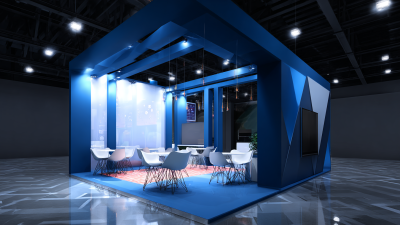
In the rapidly evolving landscape of trade shows, the importance of a well-designed Exhibition Standard Stand cannot be overstated. According to the Global Association of the Exhibition Industry (UFI), the trade show industry is projected to grow at a compound annual growth rate of nearly 5% over the next five years, highlighting the need for exhibitors to adopt innovative designs that attract and engage audiences. The physical presence at these events is often the first touchpoint for potential clients or partners, and the right stand can significantly enhance brand visibility and recall.
As we approach 2025, emerging trends in technology and design are shaping the future of exhibition spaces. Research from the Exhibition Industry Research Council (EIRC) indicates that 65% of attendees believe the design of a booth is a crucial factor in their decision-making process. Therefore, investing in an exhibition standard stand that is not only visually appealing but also functional is essential for success. From incorporating sustainable materials to leveraging interactive technology, the designs that stand out in the coming years will be those that provide a memorable experience, fostering connections and ultimately driving business growth.
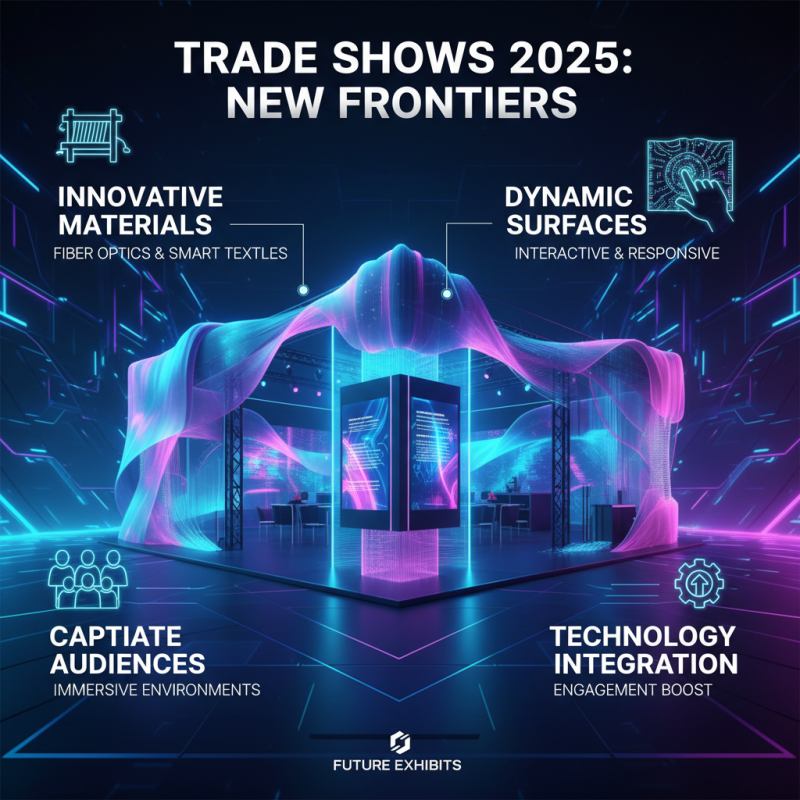
As we look ahead to 2025, the landscape of trade show exhibitions is set to transform significantly, with innovative materials and textures taking center stage in stand designs. Exhibitors will increasingly seek to captivate their audiences, using dynamic surfaces that not only draw attention but also evoke interaction. Textiles that incorporate advanced technologies, such as optical fibers or smart materials, can create immersive environments that engage attendees from the moment they step into the booth.
In addition to textiles, sustainable materials are becoming a pivotal focus, as brands strive to minimize their environmental impact. Recycled composites, biodegradable plastics, and bamboo are just a few examples of materials that not only enhance aesthetic appeal but also convey a commitment to sustainability. These materials can be combined with tactile finishes and unique textures, paving the way for more memorable and inspiring experiences. By utilizing these innovative approaches, exhibitors can create stands that not only stand out visually but also resonate with the growing awareness of sustainable practices among consumers.

As we approach 2025, the integration of technology in exhibition standard stand designs is set to redefine how brands engage with their audience at trade shows. According to a recent study by the Event Marketing Institute, 69% of attendees reported that interactive displays significantly enhance their overall experience. This illustrates the critical importance of incorporating digital displays and engaging technological elements that not only capture attention but also foster meaningful interactions.
Utilizing tools such as augmented reality (AR) and virtual reality (VR) can dramatically increase booth engagement. Research indicates that booths featuring AR elements attract 30% more visitors compared to traditional setups. Additionally, integrating touchscreens and mobile-friendly applications allows for personalized experiences, enabling attendees to delve deeper into product offerings at their own pace. The emphasis on interactivity not only boosts visitor engagement but also enhances brand recall, with studies showing that interactive experiences can lead to a 70% higher recall rate than passive displays. As the competition grows fiercer, leveraging these technological innovations will be pivotal for companies aiming to maximize their success at trade shows in 2025.
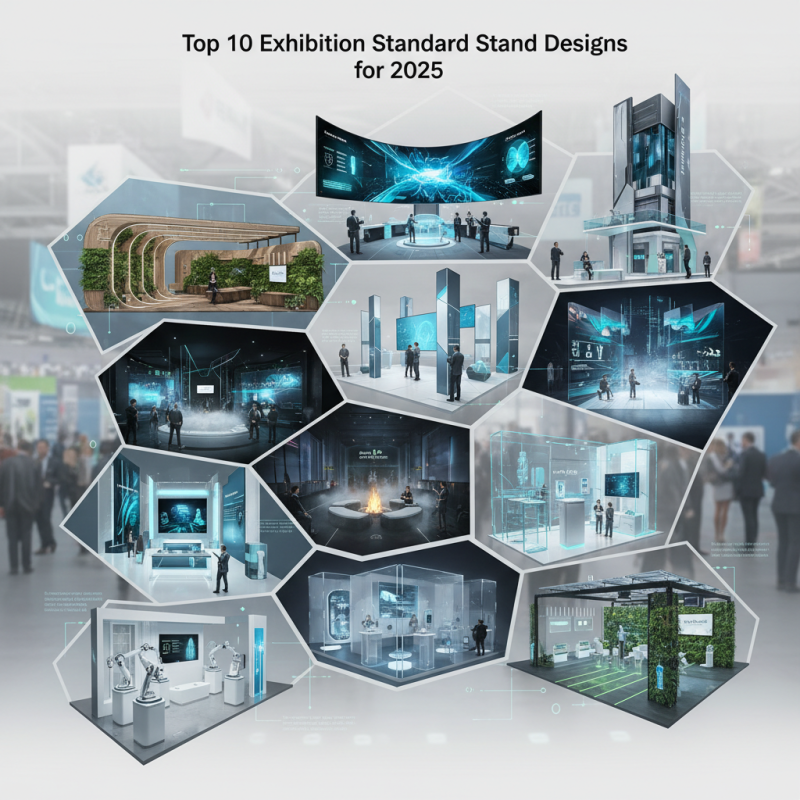
This chart illustrates the popularity index of the top 10 exhibition standard stand designs for 2025, showcasing the integration of technology and interactive elements that can enhance trade show success.
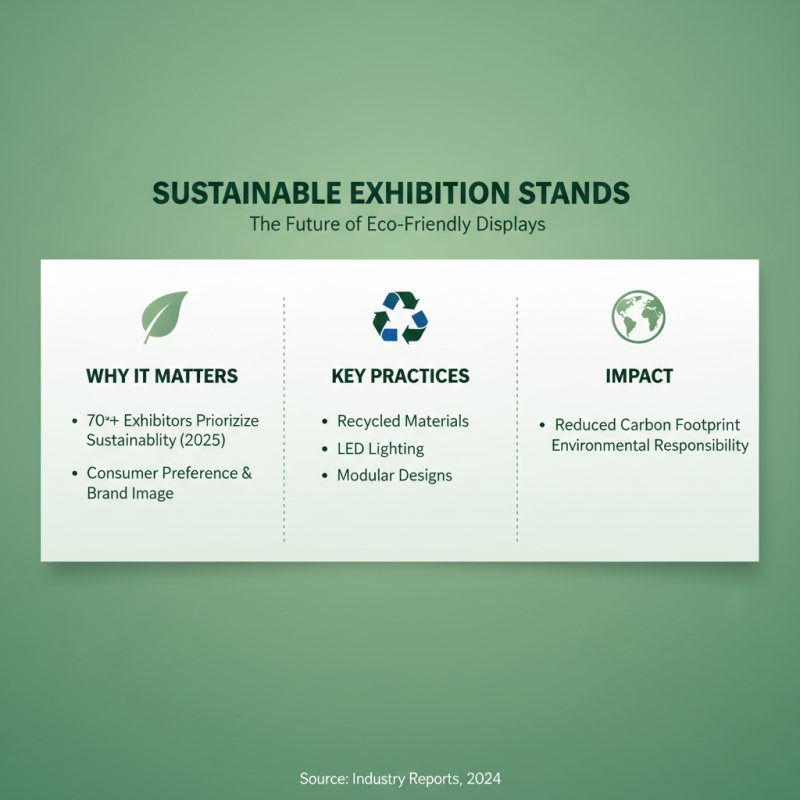
Sustainable design practices have become paramount in creating exhibition stands that are both visually appealing and environmentally responsible. As trade shows evolve to accommodate the increasing demand for eco-friendly solutions, industry reports suggest that over 70% of exhibitors are prioritizing sustainability in their stand designs by 2025. This shift not only reflects a growing awareness of environmental issues but also aligns with consumers' preferences for brands that demonstrate social responsibility. By using recycled materials, LED lighting, and modular designs, exhibitors can significantly reduce their carbon footprint while enhancing their brand image.
Incorporating sustainable practices into stand designs also leads to long-term cost savings and operational efficiencies. According to a recent study, businesses implementing eco-friendly materials and practices in their exhibition strategies can experience up to a 30% reduction in overall costs. For instance, opting for rental or reusable exhibits instead of single-use structures minimizes waste and logistical expenses. As the industry moves forward, integrating sustainability into trade show strategies will not only help brands attract a conscientious audience but also contribute to a more sustainable future for events worldwide.
In designing an exhibition stand, maximizing space and enhancing visitor engagement is crucial for trade show success. A well-structured layout can draw attendees in and encourage interaction with your products or services. Consider using a central focal point that attracts attention from across the exhibition hall. This could be an eye-catching display or a unique installation that embodies your brand's message.
Surround this focal area with engaging activities or demonstrations that invite visitors to participate and explore further.
Tip: Integrate multi-functional furniture that can serve various purposes, such as seating for discussions or display areas for products. This not only makes efficient use of space but also creates a welcoming atmosphere for potential clients.
Another effective layout strategy is to create distinct zones within your stand that cater to different visitor interests. For instance, designate specific areas for networking, product displays, and interactive experiences. This segmentation helps visitors easily navigate your stand and find what they are looking for, leading to a more personalized and engaging experience.
Tip: Use clear signage and pathways to guide visitors through your space, ensuring they understand the zones and feel compelled to explore each one.
Thoughtfully designed layouts can significantly increase visitor interaction and ultimately boost your trade show success.
In the competitive arena of trade shows, a well-designed exhibition stand is not just a visual treat; it's a powerful tool for reflecting brand identity. Research indicates that 83% of exhibitors believe that the design of their stand significantly influences their overall success at trade shows. Incorporating elements that mirror your brand’s ethos can create a lasting impression and enhance engagement with potential clients. Key factors include using a cohesive color palette, unique shapes, and distinctive materials that resonate with your brand’s message.
Moreover, effective exhibition design allows for storytelling that aligns with brand identity. According to a study from the Event Marketing Institute, 74% of attendees have a better impression of a company if they have an engaging experience at their booth. This emphasizes the importance of integrating interactive elements that invite participation and foster a connection between the attendee and the brand. Utilizing digital technologies, such as augmented reality or immersive displays, can further elevate the brand experience, leaving attendees with a memorable encounter that reinforces brand loyalty. By thoughtfully aligning design with brand identity, businesses can create a compelling narrative that drives interest and enhances their presence in the trade show landscape.